Menu

Menu
CLINICAL DATA: STUDY DESIGN
The efficacy profile of IXCHIQ® was evaluated in:
- Adults in a double-blind, randomized placebo-controlled phase 3 trial (VLA1553-301)1,26*
- Adolescents in a double-blind, randomized placebo-controlled trial (VLA1553-321)1†
THE EFFICACY PROFILE OF IXCHIQ® IN ADOLESCENTS WAS EVALUATED IN A DOUBLE-BLIND, RANDOMIZED PLACEBO-CONTROLLED TRIAL (VLA1553-321)1
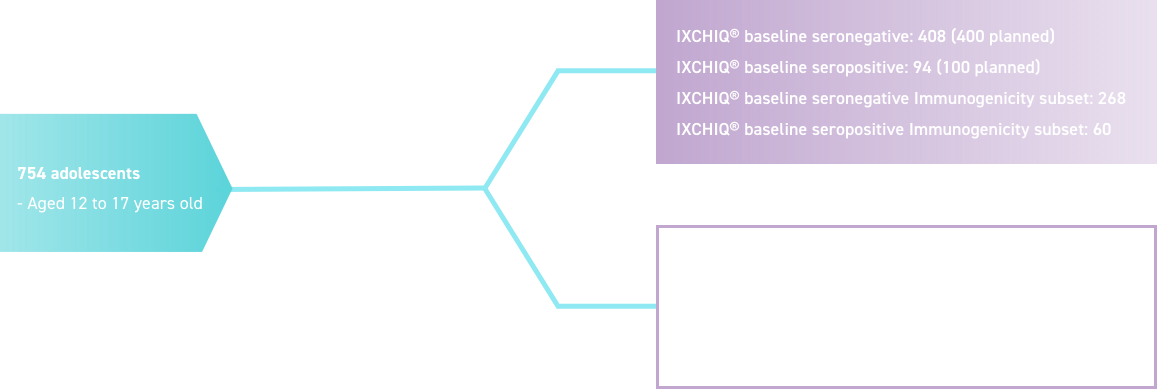
A MULTICENTER, PROSPECTIVE, RANDOMIZED, DOUBLE-BLINDED, PLACEBO-CONTROLLED PIVOTAL CLINICAL TRIAL1†
PRIMARY IMMUNOGENICITY ENDPOINT1
Seroresponse rate (SRR)‡
- The primary endpoint was SRR, i.e. proportion of participants with a serum CHIKV-specific neutralizing antibody level defined as μPRNT50≥150 at 28 days post-vaccination.
SECONDARY IMMUNOGENICITY ENDPOINT1,27
The immune response as measured by chikungunya virus-specific neutralising antibody titres up to Month 6 post-vaccination as determined by μPRNT assay.
* Study VLA1553-301: Multicenter, prospective, randomized, double-blinded, placebo-controlled pivotal clinical study with 6-month follow-up assessing the immunogenicity and safety in generally healthy individuals 18–94 years after vaccination with a single dose of IXCHIQ® (1×10⁴ TCID50 per 0.5 mL) or placebo (phosphate buffered saline, PBS) via intramuscular injection. Almost all participants were negative for CHIKV-specific neutralizing antibodies at baseline (99.9% in the VLA1553 group and 99.7% in the placebo group). 4,128 participants were randomized, allocated in approximately 3:1 ratio to VLA1553 arm (n=3,093) or placebo arm (n=1,035) and stratified by age.
† Study VLA1553-321: Double-blind, randomized placebo controlled, multicenter, prospective trial of 754 adolescents (348 M; 406 F) aged 12–17. Study subjects received either IXCHIQ® 1×10⁴ TCID50 per 0.5 mL or placebo (phosphate buffered saline) via intramuscular injection as a single dose with 12 month follow up. 81.4% and 18.4% of the participants were seronegative and seropositive, respectively, for CHIKV-specific neutralizing antibodies at baseline. 754 participants were randomized in approximately 2:1 ratio to IXCHIQ® (n=502) or placebo (n=252) and stratified according to baseline serostatus for CHIKV-specific neutralizing antibodies. The first 384 of the randomized participants were included in the immunogenicity subset (IXCHIQ®-seronegative: n=268; placebo-seronegative: n=48; IXCHIQ®-seropositive: n=60; placebo-seropositive: n=8). 78 participants in the immunogenicity subset constituted the viremia subset (IXCHIQ®-seronegative: n=43; placebo-seronegative: n=20; IXCHIQ®-seropositive: n=9; placebo-seropositive: n=9).
‡ Based on the results of a study of passive transfer of human anti-IXCHIQ® sera in non-human primates, a CHIKV-specific neutralizing antibody level that is 150 μPRNT50 or higher is considered seroprotective. The primary immunogenicity analysis compared the SRR against a non-acceptance threshold of 70%.

PRIMARY IMMUNOGENICITY ENDPOINT
High seroresponse rates (SRRs) demonstrated in adults* and baseline seronegative adolescents† in pivotal clinical trials for IXCHIQ®1,28
SRRs 28 DAYS POST-VACCINATIONद


Adapted from the IXCHIQ® Product Monograph and Schneider et al. 1,28
DEMONSTRATED SRRs AT 1 AND 2 YEARS POST-VACCINATION IN ADULTS (VLA1553-303)1,28§**
YEAR 1
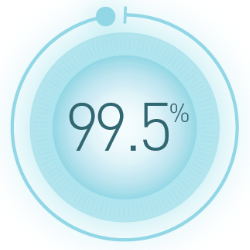
(183/184)
(95% CI: 97.0, 100.0)
(95% CI: 97.0, 100.0)
YEAR 2
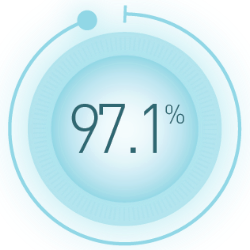
(268/276)
(95% CI: 94.4, 98.7)
(95% CI: 94.4, 98.7)
HIGH SRRs WERE SUSTAINED UP TO 6 MONTHS POST-VACCINATION IN BASELINE SERONEGATIVE ADOLESCENTS (VLA1553-321)1,27§
6 MONTHS
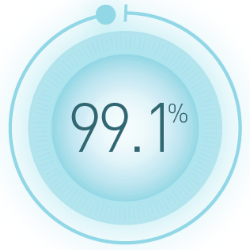
(95% CI: 96.9–99.9) vs.
Placebo 0% (95% CI: 0.0, 9.0)
Placebo 0% (95% CI: 0.0, 9.0)
SSR: seroresponse rate; TCID50: 50% tissue culture infectious dose; CI: confidence interval; μPRNT: micro plaque reduction neutralization test.
*Study VLA1553-301: Multicenter, prospective, randomized, double-blinded, placebo-controlled pivotal clinical study with 6-month follow-up assessing the immunogenicity and safety in generally healthy individuals 18–94 years after vaccination with a single dose of IXCHIQ® (1×10⁴ TCID50 per 0.5 mL) or placebo (phosphate buffered saline, PBS) via intramuscular injection. Almost all participants were negative for CHIKV-specific neutralizing antibodies at baseline (99.9% in the VLA1553 group and 99.7% in the placebo group). 4,128 participants were randomized, allocated in approximately 3:1 ratio to VLA1553 arm (n=3,093) or placebo arm (n=1,035) and stratified by age.
†Study VLA1553-321: Double-blind, randomized placebo controlled, multicenter, prospective trial of 754 adolescents (348 M; 406 F) aged 12–17. Study subjects received either IXCHIQ® 1×10⁴ TCID50 per 0.5 mL or placebo (phosphate buffered saline) via intramuscular injection as a single dose with 12 month follow up. 81.4% and 18.4% of the participants were seronegative and seropositive, respectively, for CHIKV-specific neutralizing antibodies at baseline. 754 participants were randomized in approximately 2:1 ratio to IXCHIQ® (n=502) or placebo (n=252) and stratified according to baseline serostatus for CHIKV-specific neutralizing antibodies. The first 384 of the randomized participants were included in the immunogenicity subset (IXCHIQ®-seronegative: n=268; placebo-seronegative: n=48; IXCHIQ®-seropositive: n=60; placebo-seropositive: n=8). 78 participants in the immunogenicity subset constituted the viremia subset (IXCHIQ®-seronegative: n=43; placebo-seronegative: n=20; IXCHIQ®-seropositive: n=9; placebo-seropositive: n=9).
‡Percentage of participants with neutralizing antibody titers above the threshold of ≥150 determined by μPRNT50 titer.
§Clinical significance unknown.
¶ Success criterion: lower bound of the 95% CI for SRR >70%.
** Study VLA1553-303: prospective, multicenter, open-label Phase 3b, single arm clinical trial evaluating antibody persistence and long-term safety (SAEs only) in 363 adult participants who had participated in Study VLA1553-301 and voluntarily agreed to be recruited into Study VLA1553-303. All participants were asked to visit the trial site on Day 180 of VLA1553-301 and then have annual follow-up visits for 10 years for immunogenicity sampling. SAEs were also assessed until Year 2 in all participants. Data are available up to Year 2.
SECONDARY IMMUNOGENICITY ENDPOINT
Antibody persistance data was reported up to 2 years post-vaccination in adults*†
- In Study VLA1553-301, the pivotal Phase III trial in adults (PP population; N=266 IXCHIQ®, N=96 placebo), Geometric Mean Titers (GMTs) of CHIKV-specific neutralizing antibodies were assessed by µPRNT50 assay up to 6 months post-vaccination.*
- In Study VLA1553-303, the long-term follow-up of adults from VLA1553-301 (PP population; N=339), GMTs were evaluated annually by µPRNT50 assay and antibody persistence data through 2 years post-vaccination was reported.†
GMT of serum CHIKV-specific neutralizing antibodies up to 2 years post-vaccination in adults
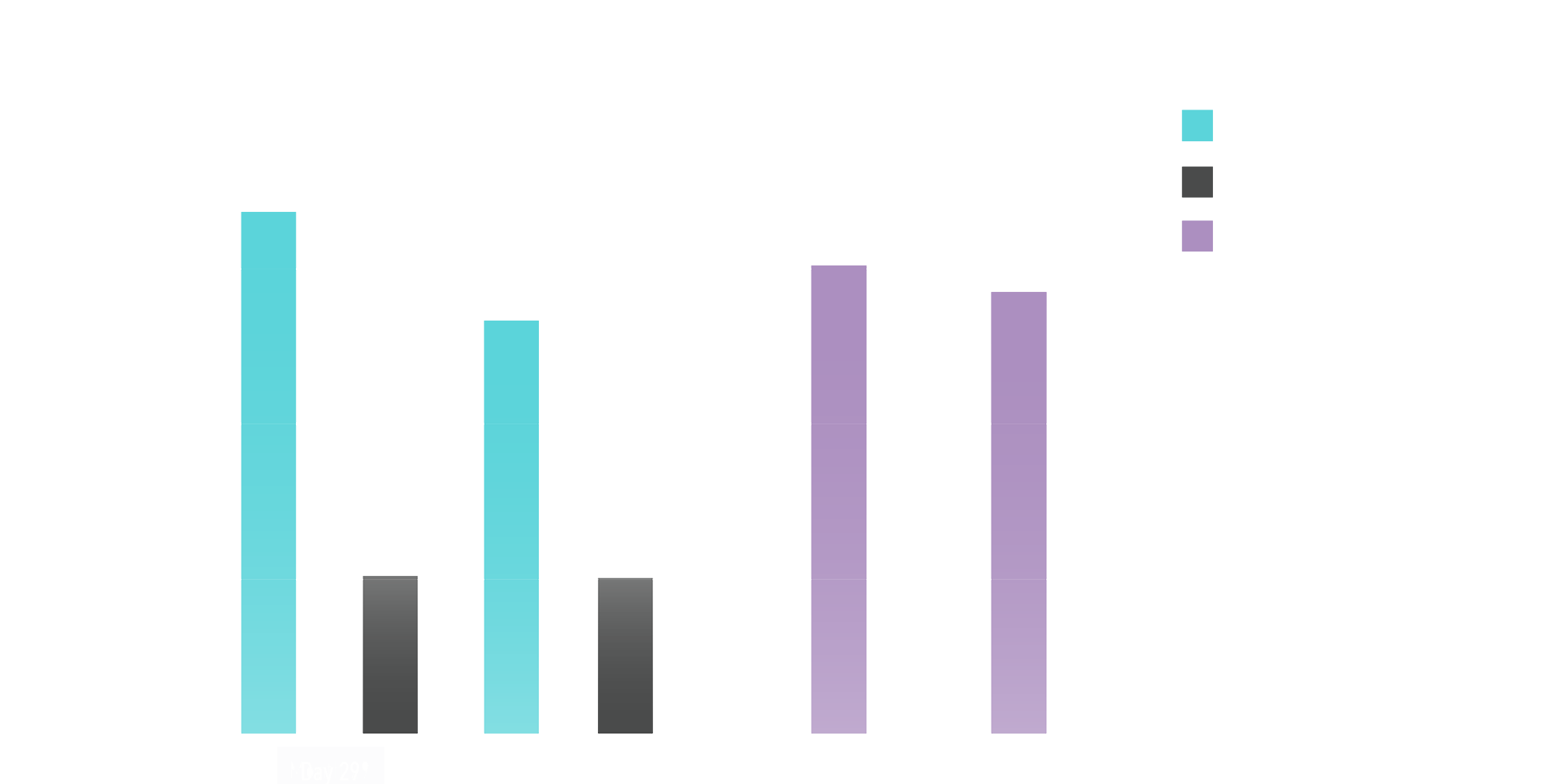
Adapted from the IXCHIQ® Product Monograph.1
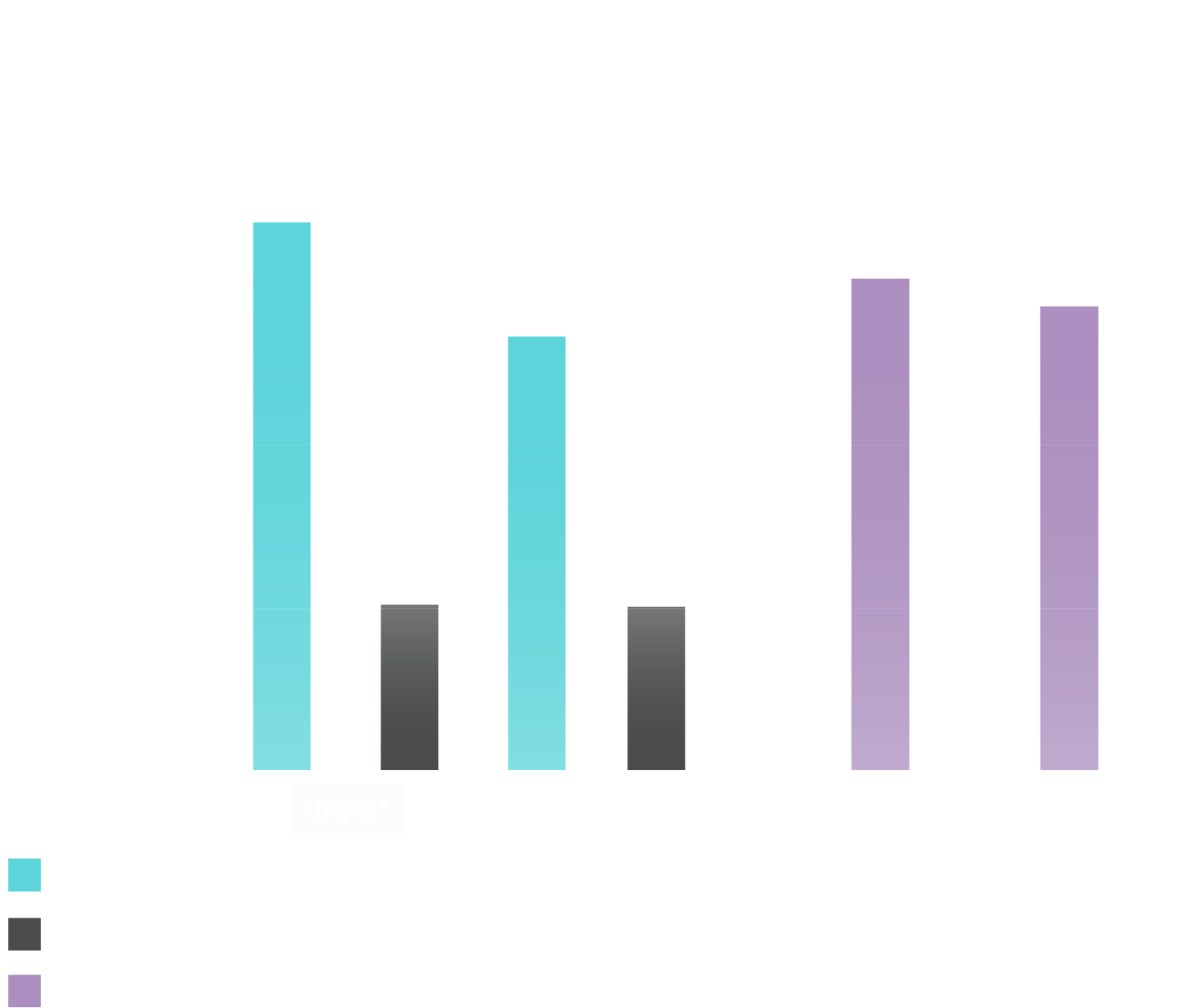
GMT OF SERUM CHIKV-SPECIFIC NEUTRALIZING ANTIBODIES UP TO 6 MONTHS POST-VACCINATION, AS DETERMINED BY μPRNT ASSAY, IN BASELINE SERONEGATIVE ADOLESCENTS WAS ASSESSED IN STUDY VLA1553-321 (PP POPULATION)‡

Adapted from the IXCHIQ® Product Monograph.1
CHIKV: chikungunya virus; SRR: seroresponse rate; CI: confidence interval.
* Study VLA1553-301: Multicenter, prospective, randomized, double-blinded, placebo-controlled pivotal clinical study with 6-month follow-up assessing the immunogenicity and safety in generally healthy individuals 18–94 years after vaccination with a single dose of IXCHIQ® (1×10⁴ TCID50 per 0.5 mL) or placebo (phosphate buffered saline, PBS) via intramuscular injection. Almost all participants were negative for CHIKV-specific neutralizing antibodies at baseline (99.9% in the VLA1553 group and 99.7% in the placebo group). 4,128 participants were randomized, allocated in approximately 3:1 ratio to VLA1553 arm (n=3,093) or placebo arm (n=1,035) and stratified by age.
† Study VLA1553-303: prospective, multicenter, open-label Phase 3b, single arm clinical trial evaluating antibody persistence and long-term safety (SAEs only) in 363 adult participants who had participated in Study VLA1553-301 and voluntarily agreed to be recruited into Study VLA1553-303. All participants were asked to visit the trial site on Day 180 of VLA1553-301 and then have annual follow-up visits for 10 years for immunogenicity sampling. SAEs were also assessed until Year 2 in all participants. Data are available up to Year 2.
‡ Study VLA1553-321: Double-blind, randomized placebo controlled, multicenter, prospective trial of 754 adolescents (348 M; 406 F) aged 12–17. Study subjects received either IXCHIQ® 1×10⁴ TCID50 per 0.5 mL or placebo (phosphate buffered saline) via intramuscular injection as a single dose with 12 month follow up. 81.4% and 18.4% of the participants were seronegative and seropositive, respectively, for CHIKV-specific neutralizing antibodies at baseline. 754 participants were randomized in approximately 2:1 ratio to IXCHIQ (n=502) or placebo (n=252) and stratified according to baseline serostatus for CHIKV-specific neutralizing antibodies. The first 384 of the randomized participants were included in the immunogenicity subset (IXCHIQ®-seronegative: n=268; placebo-seronegative: n=48; IXCHIQ®-seropositive: n=60; placebo-seropositive: n=8) . 78 participants in the immunogenicity subset constituted the viremia subset (IXCHIQ®-seronegative: n=43; placebo-seronegative: n=20; IXCHIQ®-seropositive: n=9; placebo-seropositive: n=9).